Aviation Industry Overview

The aviation industry includes the design, production, operation, and maintenance of aircraft, along with related services like airports and air traffic control.
Components and functions
Key components of the industry are commercial, general, and military aviation, all of which are increasingly impacted by digital advancements and sustainability initiatives:
Commercial aviation
General aviation
Military aviation
Aircraft manufacturing
Airport and air traffic control
Commercial aviation: The sector most people think of, involving airlines that transport passengers and cargo, like American Airlines Group and Lufthansa.
General aviation: Includes a wide range of non-commercial flying activities, such as private flights, recreational flying, and business aviation.
Military aviation: Involves the operation of aircraft for defense and military purposes.
Aircraft manufacturing: Companies that design and build aircraft, including fixed-wing, rotary-wing, and lighter-than-air types.
Airport and air traffic control: The infrastructure and systems that manage air traffic and provide services to aircraft and passengers.
Economic and social impact
Global connectivity: Rapidly connects people and goods across vast distances, playing a crucial role in global trade, tourism, and business.
Rapidly connects people and goods across vast distances, playing a crucial role in global trade, tourism, and business. In 2023, air transport supported over 37 million jobs and contributed to global GDP through tourism, trade, and its direct economic activity. A significant portion of world trade by value is sent by air, especially for high-value and perishable goods like food and medical equipment.
It is a complex global network that facilitates passenger and cargo transport, supports tourism and trade, and has significant economic and employment impacts, but it also faces challenges like high emissions, geopolitical instability, and the need for skilled personnel. Key components of the industry are commercial, general, and military aviation, all of which are increasingly impacted by digital advancements and sustainability initiatives.
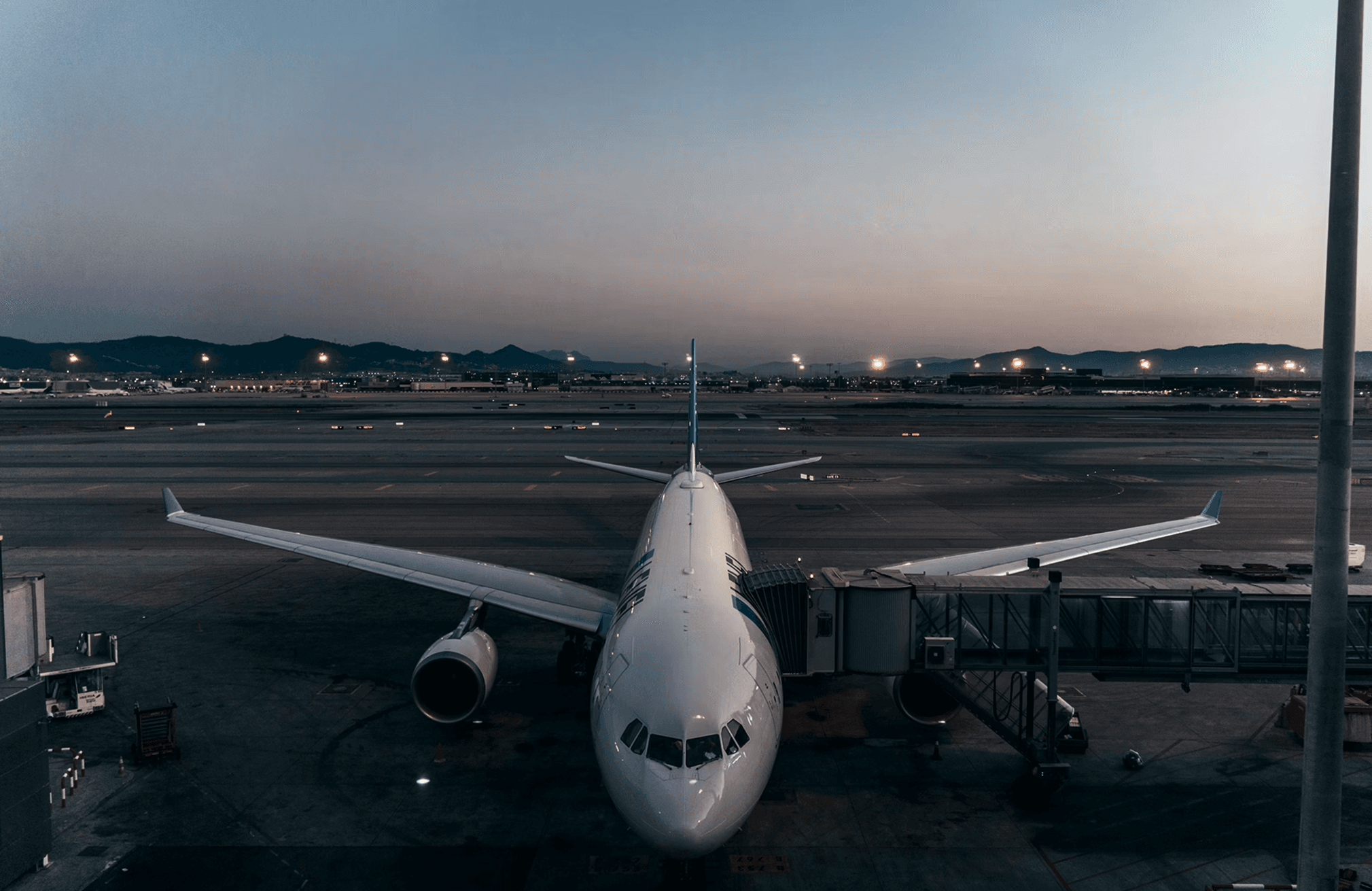
In 2023, air transport supported over 37 million jobs and contributed to global GDP through tourism, trade, and its direct economic activity.
Economic contribution: In 2023, air transport supported over 37 million jobs and contributed to global GDP through tourism, trade, and its direct economic activity.
It is a complex global network that facilitates passenger and cargo transport, supports tourism and trade, and has significant economic and employment impacts, but it also faces challenges like high emissions, geopolitical instability, and the need for skilled personnel. Key components of the industry are commercial, general, and military aviation, all of which are increasingly impacted by digital advancements and sustainability initiatives.
Rapidly connects people and goods across vast distances, playing a crucial role in global trade, tourism, and business. In 2023, air transport supported over 37 million jobs and contributed to global GDP through tourism, trade, and its direct economic activity. A significant portion of world trade by value is sent by air, especially for high-value and perishable goods like food and medical equipment.
Trade: A significant portion of world trade by value is sent by air, especially for high-value and perishable goods like food and medical equipment.
Rapidly connects people and goods across vast distances, playing a crucial role in global trade, tourism, and business. In 2023, air transport supported over 37 million jobs and contributed to global GDP through tourism, trade, and its direct economic activity. A significant portion of world trade by value is sent by air, especially for high-value and perishable goods like food and medical equipment.
It is a complex global network that facilitates passenger and cargo transport, supports tourism and trade, and has significant economic and employment impacts, but it also faces challenges like high emissions, geopolitical instability, and the need for skilled personnel. Key components of the industry are commercial, general, and military aviation, all of which are increasingly impacted by digital advancements and sustainability initiatives.
Current challenges and trends
Sustainability
The industry is working to reduce its significant carbon emissions through sustainable aviation fuels (SAFs) and more efficient aircraft technology. Global connectivity: Rapidly connects people and goods across vast distances, playing a crucial role in global trade, tourism, and business. In 2023, air transport supported over 37 million jobs and contributed to global GDP through tourism, trade, and its direct economic activity. A significant portion of world trade by value is sent by air, especially for high-value and perishable goods like food and medical equipment.
It is a complex global network that facilitates passenger and cargo transport, supports tourism and trade, and has significant economic and employment impacts, but it also faces challenges like high emissions, geopolitical instability, and the need for skilled personnel. Key components of the industry are commercial, general, and military aviation, all of which are increasingly impacted by digital advancements and sustainability initiatives.
Workforce gaps in aviation are becoming a pressing issue.
The aviation industry faces a critical shortage of new pilots and specialists due to an aging workforce and insufficient new talent entering the field, which jeopardizes future operations. Additionally, geopolitical tensions in areas like Ukraine and the Middle East have led to disrupted flight paths, rising costs, and navigational difficulties. Cybersecurity is another concern, as the industry's growing dependence on digital systems makes it more susceptible to cyber threats. To enhance efficiency in production, logistics, and maintenance, the sector is embracing innovations such as AI, data analytics, and smart factory technologies.

Workforce gaps in aviation are becoming a pressing issue.
Global political tensions are impacting aviation stability.
The aviation sector is grappling with a significant shortage of pilots and specialists, as an aging workforce and a lack of new entrants threaten its future capacity. Geopolitical conflicts, particularly in regions like Ukraine and the Middle East, have disrupted flight routes, escalated costs, and posed navigational challenges. The industry's increasing reliance on digital systems has also heightened its vulnerability to cyberattacks. To boost efficiency in production, logistics, and maintenance, innovations such as AI, data analytics, and smart factory technologies are being adopted.
The threat of cyberattacks looms large in the aviation sector.
The aviation industry is facing a pressing need for new pilots and specialists, as an aging workforce combined with a shortage of new talent poses risks to future capacity. Geopolitical instability, particularly in regions like Ukraine and the Middle East, has disrupted flight routes, increased operational costs, and created navigational challenges. Furthermore, as the industry becomes more reliant on digital systems, it is increasingly exposed to cyber threats. To enhance efficiency in production, logistics, and maintenance, the sector is adopting innovations such as AI, data analytics, and smart factory technologies.
Economic and social impact
Global connectivity: Rapidly connects people and goods across vast distances, playing a crucial role in global trade, tourism, and business.
Rapidly connects people and goods across vast distances, playing a crucial role in global trade, tourism, and business. In 2023, air transport supported over 37 million jobs and contributed to global GDP through tourism, trade, and its direct economic activity. A significant portion of world trade by value is sent by air, especially for high-value and perishable goods like food and medical equipment.
It is a complex global network that facilitates passenger and cargo transport, supports tourism and trade, and has significant economic and employment impacts, but it also faces challenges like high emissions, geopolitical instability, and the need for skilled personnel. Key components of the industry are commercial, general, and military aviation, all of which are increasingly impacted by digital advancements and sustainability initiatives.
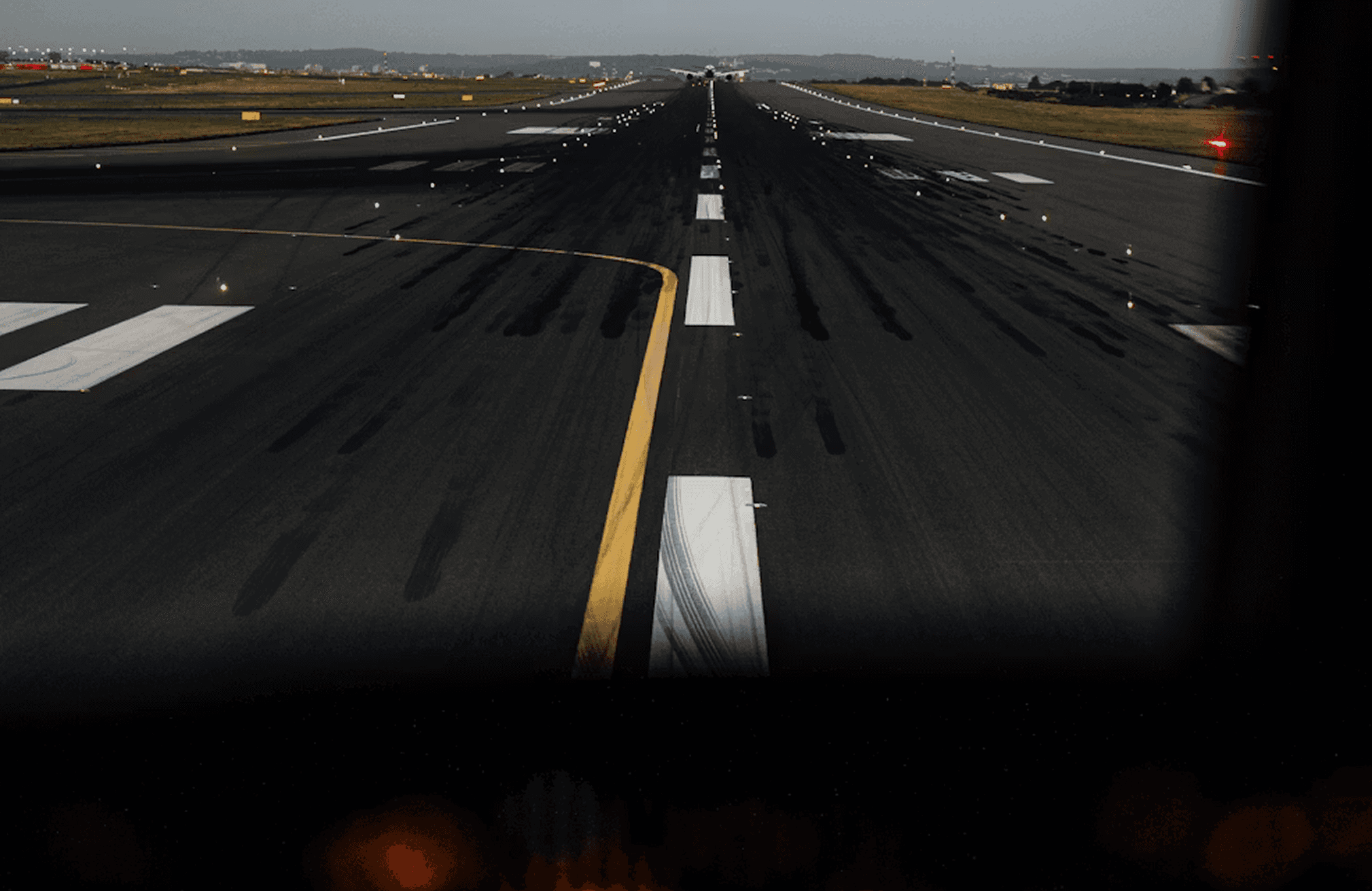
In 2023, air transport supported over 37 million jobs and contributed to global GDP through tourism, trade, and its direct economic activity.
Economic contribution: In 2023, air transport supported over 37 million jobs and contributed to global GDP through tourism, trade, and its direct economic activity.
It is a complex global network that facilitates passenger and cargo transport, supports tourism and trade, and has significant economic and employment impacts, but it also faces challenges like high emissions, geopolitical instability, and the need for skilled personnel. Key components of the industry are commercial, general, and military aviation, all of which are increasingly impacted by digital advancements and sustainability initiatives.
Rapidly connects people and goods across vast distances, playing a crucial role in global trade, tourism, and business. In 2023, air transport supported over 37 million jobs and contributed to global GDP through tourism, trade, and its direct economic activity. A significant portion of world trade by value is sent by air, especially for high-value and perishable goods like food and medical equipment.
Trade: A significant portion of world trade by value is sent by air, especially for high-value and perishable goods like food and medical equipment.
Rapidly connects people and goods across vast distances, playing a crucial role in global trade, tourism, and business. In 2023, air transport supported over 37 million jobs and contributed to global GDP through tourism, trade, and its direct economic activity. A significant portion of world trade by value is sent by air, especially for high-value and perishable goods like food and medical equipment.
It is a complex global network that facilitates passenger and cargo transport, supports tourism and trade, and has significant economic and employment impacts, but it also faces challenges like high emissions, geopolitical instability, and the need for skilled personnel. Key components of the industry are commercial, general, and military aviation, all of which are increasingly impacted by digital advancements and sustainability initiatives.
Title S5
Global connectivity: Rapidly connects people and goods across vast distances, playing a crucial role in global trade, tourism, and business.
Rapidly connects people and goods across vast distances, playing a crucial role in global trade, tourism, and business. In 2023, air transport supported over 37 million jobs and contributed to global GDP through tourism, trade, and its direct economic activity. A significant portion of world trade by value is sent by air, especially for high-value and perishable goods like food and medical equipment.
It is a complex global network that facilitates passenger and cargo transport, supports tourism and trade, and has significant economic and employment impacts, but it also faces challenges like high emissions, geopolitical instability, and the need for skilled personnel. Key components of the industry are commercial, general, and military aviation, all of which are increasingly impacted by digital advancements and sustainability initiatives.
In 2023, air transport supported over 37 million jobs and contributed to global GDP through tourism, trade, and its direct economic activity.
Title S6
Content S6
Rapidly connects people and goods across vast distances, playing a crucial role in global trade, tourism, and business. In 2023, air transport supported over 37 million jobs and contributed to global GDP through tourism, trade, and its direct economic activity. A significant portion of world trade by value is sent by air, especially for high-value and perishable goods like food and medical equipment.
It is a complex global network that facilitates passenger and cargo transport, supports tourism and trade, and has significant economic and employment impacts, but it also faces challenges like high emissions, geopolitical instability, and the need for skilled personnel. Key components of the industry are commercial, general, and military aviation, all of which are increasingly impacted by digital advancements and sustainability initiatives.
In 2023, air transport supported over 37 million jobs and contributed to global GDP through tourism, trade, and its direct economic activity.
" transform="translate(12 3.5)" width="16px"/><path d="M 11 4 L 4 4 C 2.961 4 1.9 3.8 1 2 L 0 0" fill="transparent" height="4px" id="k77C0jUMT" stroke-dasharray="" stroke-linecap="butt" stroke-linejoin="miter" stroke-miterlimit="10" stroke-width="1.4" stroke="rgb(255, 255, 255)" transform="translate(4 10.5)" width="11px"/><path d="M 16 0 L 10 0 C 7.629 0 5.638 0.9 4.5 3 L 0 11" fill="transparent" height="11px" id="otCnazCMj" stroke-dasharray="" stroke-linecap="butt" stroke-linejoin="miter" stroke-miterlimit="10" stroke-width="1.4" stroke="rgb(255, 255, 255)" transform="translate(12 17.5)" width="16px"/><path d="M 11 0 L 4 0 C 2.961 0 1.9 0.2 1 2 L 0 4" fill="transparent" height="4px" id="iJX71G3eE" stroke-dasharray="" stroke-linecap="butt" stroke-linejoin="miter" stroke-miterlimit="10" stroke-width="1.4" stroke="rgb(255, 255, 255)" transform="translate(4 17.5)" width="11px"/></svg>)